

Scroll down to read the full story. 👇👇👇
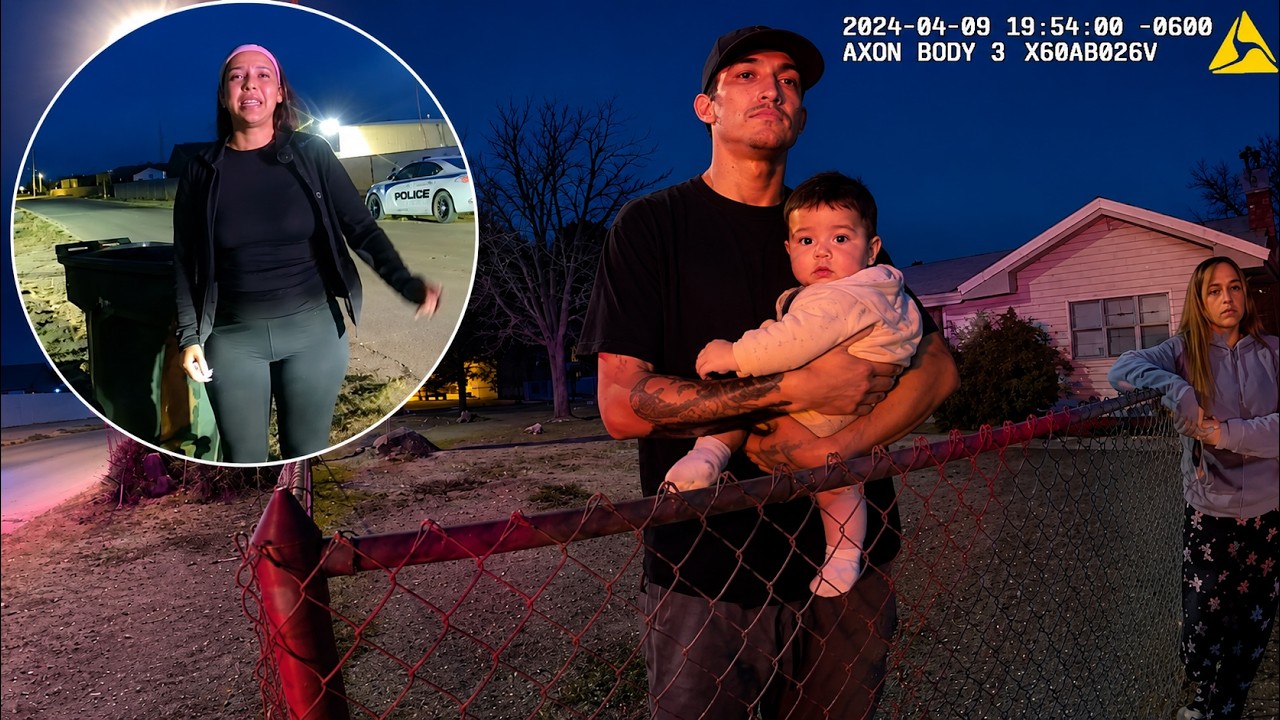
The bodycam footage capturing this tense and delicate police encounter reveals a situation that quickly spiraled into a deeply emotional confrontation. As the officer attempted to conduct a standard search, the woman displayed a series of behaviors that have left thousands of online observers questioning the appropriate level of police restraint in such volatile moments.
Throughout the search, the woman’s demeanor shifted rapidly from moments of confusion to desperate, heart-wrenching pleas as the reality of her situation began to truly set in. Her tone remained remarkably erratic, cycling between strange compliance and sudden, disjointed emotional outbursts that clearly made the officer’s job increasingly difficult to navigate.
She seemed hyper-focused on trivial details, even obsessing over whether her leggings had pockets or if she could somehow still reach out to her son despite being in custody. It is this specific type of unpredictable conduct that often creates a “gray area” for law enforcement, forcing them to choose between firm control and compassionate de-escalation.
What makes this footage particularly striking is the officer’s steady, rhythmic response to her mounting instability. While the woman moved with a jittery posture and constantly searched for ways to delay the process, the officer remained calm, methodically checking for contraband while keeping the conversation strictly centered on basic procedure.
The woman’s visible agitation—staring intently at the squad car and struggling to remain still—stood in stark, uncomfortable contrast to the officer’s unwavering professional detachment. The officer navigated the search with a clinical precision, even explaining the necessity of the checks despite the woman’s bizarre insistence that she was essentially naked and had nothing to hide.
As the reality that she would be spending the night in custody settled over her, her behavior took a turn toward the surreal. She began pleading for a final interaction with her child, despite the officer having already explained that such contact was simply not possible under the current legal circumstances.
The officer’s consistent refusal to engage in her emotional spiral led to a series of desperate questions from the woman, who seemed to be grasping for any thread of normalcy. This tension in the air was palpable as she asked about the legal consequences of her actions, clearly struggling to process the gravity of the situation unfolding around her.
This specific moment has sparked a massive firestorm of debate online regarding how officers should manage suspects who are visibly suffering from mental health crises. Some viewers argue that the officer showed incredible, saint-like patience in the face of her bizarre requests and repetitive questioning.
Conversely, others believe the situation should have been handled with more urgency, arguing that the officer’s soft approach might have inadvertently emboldened the woman to continue her disruptive behavior. It is a classic dilemma that plays out on the front lines of patrol work every single day across the country.
Her final, haunting plea regarding her son served as the climax of the interaction, leaving many watching the footage to wonder about the hidden, painful narrative behind the secret 911 call that brought authorities to the scene. Why was she so fixated on her son in those final moments before being placed in the car?
This video offers an unfiltered look at the daily realities law enforcement faces when dealing with people in severe mental distress. The scene eventually ends with the woman being led away, but the complex questions raised by her behavior and the officer’s subsequent patience will likely continue to circulate among those who watch the clip.
The mystery of her motivations and the officer’s restraint keeps viewers hitting the replay button. Was the officer’s approach the best way to keep a volatile scene from exploding, or was it a missed opportunity to be more authoritative?
These are the types of questions that drive the internet wild, as everyone tries to put themselves in the officer’s shoes. Would you have maintained that level of calm, or would you have demanded a faster, more rigid process to ensure safety?