

Scroll down to read the full story. 👇👇👇
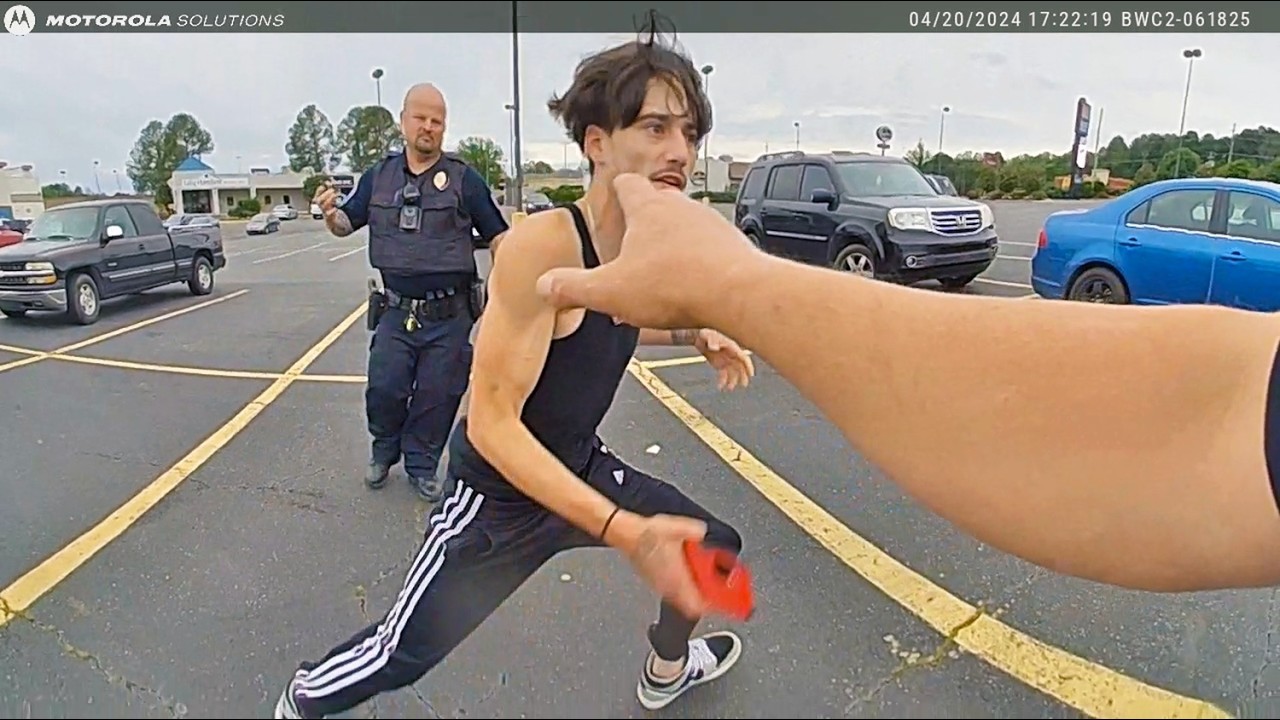
Bodycam footage from a recent encounter captures a tense and confusing situation as police respond to a man who appears to have barricaded himself in a room. The interaction begins with a series of disjointed statements from the individual, leaving officers on the scene struggling to determine exactly what is happening behind the closed door. The suspect’s posture and tone seem to shift rapidly, raising immediate concerns for the safety of everyone involved in the operation.
As the officers attempt to establish communication, the man continues to reference a Sergeant Heidi, repeatedly insisting that he needs to speak with her. His demeanor fluctuates between cooperative and confrontational, which forces the law enforcement team to remain hyper-vigilant while they assess the environment. The atmosphere is thick with uncertainty as the team prepares for a potential forced entry to ensure the situation does not escalate further.
One of the most striking moments in the video occurs when the officers receive reports of the individual causing harm to himself inside the locked space. You can hear the tactical team coordinating their next move, balancing the need for speed against the risks of a volatile confrontation. It is a classic example of the split-second decisions that officers must make when a suspect chooses to seal themselves away from the public and the authorities.
Critics of such interventions often point to the mental health aspects of these situations, and this incident was no exception. While the man’s language remained scattered, the officers maintained their composure, attempting to de-escalate the tension despite the unpredictable environment. The footage captures the precise moment when the decision is made to intervene physically to prevent further self-harm or damage to the property.
As the situation unfolds, viewers are left wondering about the underlying motives for such strange and self-destructive behavior. Was the suspect genuinely disoriented, or was there a more calculated strategy behind his refusal to engage with the officers at the door? These types of encounters highlight the immense pressure placed on law enforcement to interpret human behavior under extreme stress.
This specific case has sparked a wider conversation about how police manage individuals in crisis. When a person locks themselves in a room and begins acting out, the margin for error becomes razor-thin. The officers on the scene clearly recognized the potential for a dangerous outcome, which drove them to act before the situation could spiral into something far worse.
Watching the interaction, it is impossible to ignore the frustration expressed by the officers as they try to get a clear name and status from the man inside. Every second spent talking to someone in this state feels like an eternity for the team standing on the other side of the threshold. Transparency in these moments is key, and bodycam footage provides the public with a window into the raw reality of the job.
As the video continues, the transition from verbal negotiation to physical action becomes inevitable. This brief window into the life of a first responder reminds us that every traffic stop or wellness check can turn into a critical incident without warning. The scene eventually stabilizes, but the footage serves as a stark reminder of the complexities inherent in public safety work. We want to know your thoughts on how this team handled the standoff. Would you have approached the room differently, or was their caution justified given the man’s erratic behavior and obvious distress? The debate continues in the comments as more citizens weigh in on the footage provided.