

Scroll down to read the full story. 👇👇👇
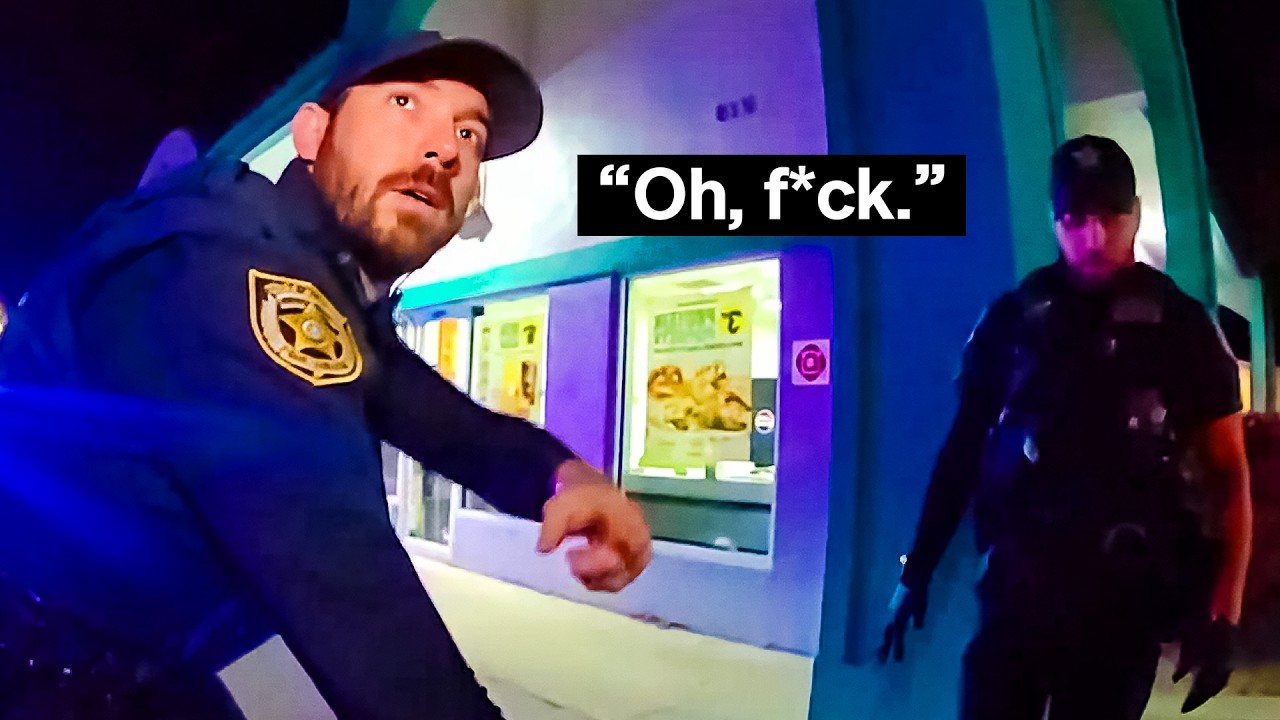
High-stakes encounters between law enforcement and uncooperative subjects often boil down to a few critical seconds of decision-making. Recently released bodycam footage shows a tense standoff where an officer attempts to bring a suspect into custody using verbal commands. The scene unfolds with the officer urging the individual to crawl toward the sound of his voice. This technique, often used in tactical situations to maintain safety, is intended to guide an unseen or hesitant suspect out of a hidden position.
As the footage continues, the tension in the air becomes palpable. The officer repeats his instructions, emphasizing the need for the suspect to crawl and stay low. Despite the clear verbal direction, the suspect remains largely unresponsive, leading to a breakdown in communication. The uncertainty of the suspect’s movements creates a dangerous environment where every second counts. Witnesses and viewers of the footage are left to question whether the suspect was genuinely confused or intentionally refusing to comply with the directives.
When the initial commands fail to produce the desired result, the situation quickly shifts. The officer makes the difficult choice to escalate the engagement by deploying a K9 unit. This decision is rarely taken lightly and serves as a major turning point in the recorded encounter. The sound of shouting fills the air as the officer warns the suspect that the canine will be deployed if compliance is not immediate. The atmosphere changes from a controlled negotiation to a high-speed intervention.
The deployment of the K9 brings a new level of complexity to the scene. The officer is heard shouting for the suspect to get on the ground and stop resisting as the canine makes contact. Observers watching the raw footage have been vocal about the sequence of events. Some argue that the suspect had multiple opportunities to surrender before the situation reached this point. Others look closely at the officer’s tone and the necessity of using a canine to resolve the standoff.
As the struggle continues on the ground, the officer maintains a constant stream of commands, telling the suspect to stop resisting and move his hands behind his back. The chaos of the moment is evident, with officers nearby shouting instructions to each other to give the K9 space to work. It is a stark reminder of how quickly a simple request can turn into a physical confrontation. The footage captures the raw reality of police work where the outcome depends entirely on the actions of both parties involved.
This incident has sparked a wide range of opinions across social media platforms. People are debating whether the officer was right to initiate the K9 unit when he did or if there were other de-escalation tactics that could have been employed. There is also significant discussion regarding the behavior of the suspect and the potential reasons behind his refusal to follow orders. The question of whether the suspect could actually hear and understand the commands remains at the center of the debate.
In these types of cases, context is everything. While the bodycam provides an unfiltered look at the event, it cannot capture the full mindset of those on the scene. Every movement and every missed cue adds a layer to the legal and public discourse surrounding the arrest. It forces us to ask how much patience law enforcement should exhibit before moving to non-lethal force. The incident serves as a primary example of the complex realities behind modern policing and the constant challenges officers face during field operations. Whether the escalation was justified remains a question for the public to decide after viewing the sequence of events.